
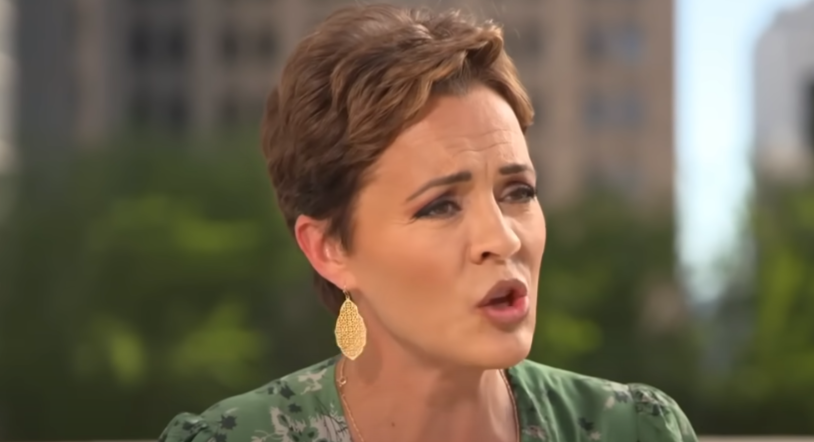
Arizona’s November election is still embroiled in controversy, as Republican candidates Abe Hamadeh and Kari Lake have launched new legal maneuvers to contest the results. This follows Mohave County Superior Court Judge Steven Conn’s dismissal of their election challenge just before Christmas. The case has brought to light new evidence of voting problems in Pinal County that even Arizona’s new Democrat Secretary of State Kris Mayes concedes was troubling.
The two Republican candidates are now asking for a “Motion for New Trial” after this shocking reveal. At the heart of their argument is the call to count all ballots accurately—and correctly—so that everyone’s vote can be heard and respected. They argue that if they’re allowed to inspect and count these provisional ballots, then they will win their case against Mayes, potentially leading either to her resignation or removal from office.
This case has raised serious questions about how elections are conducted in Arizona and across the nation when it comes to provisional ballots taken into account during the counting process.
It also brings attention to issues such as voter suppression, which disproportionately affects communities of color and other marginalized groups who may not feel secure going out to cast their votes in person due solely to fear-based tactics used by certain political parties looking for an advantage over others on Election Day.
Provisional ballots have been around since 2002 when Congress passed the Help America Vote Act (HAVA). These paper ballots are given out by poll workers when there is some question about a voter’s eligibility—such as if there’s a discrepancy between what name appears on a voter registration list versus what appears on an ID presented at a polling place—or if someone shows up at one precinct but actually needs to vote in another one nearby instead.
In most cases, this type of situation can be resolved before Election Day ends with no problem whatsoever; however, sometimes it takes longer than expected for officials at polling places or county offices to figure out what happened and how best to address it so that voters don’t end up being disenfranchised.
In Maricopa County alone, where Hamadeh and Lake filed their lawsuit last month challenging the state’s handling of provisional ballots, more than 4,800 were not counted during the November election due mostly due errors made while filling out paperwork or entering information into computers incorrectly during early voting periods prior Nov 3rd.
And unfortunately, many more people across Arizona may have experienced similar issues throughout other counties too – meaning even more valid votes could potentially go uncounted if something isn’t done soon about this crisis facing our democracy today!
With races as close as they were, half of those ballots would have made a major impact on the outcome of the election so the courts can’t just glaze this over—Or shouldn’t be able to.