
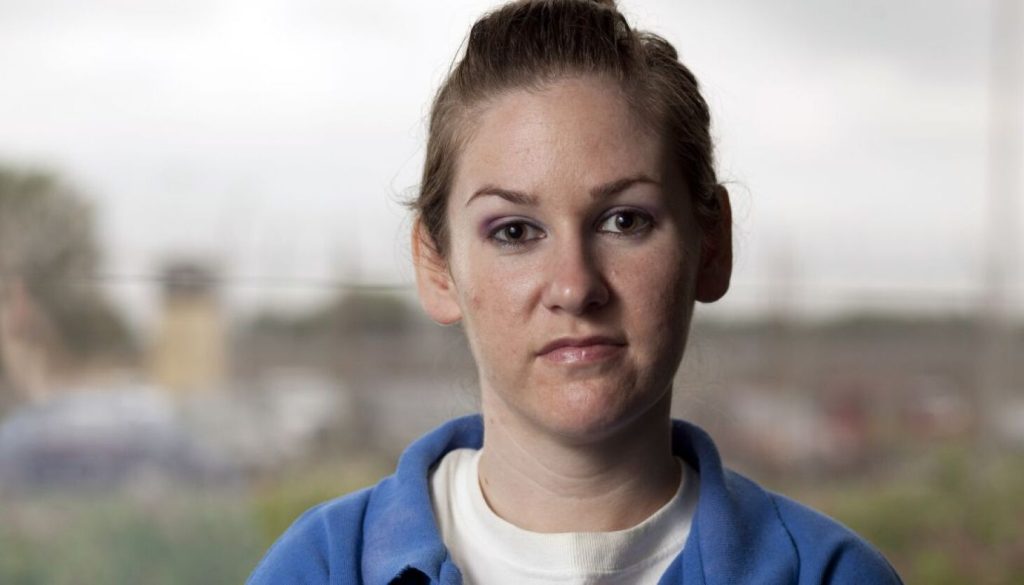
Melissa Calusinski’s case has captured national attention, shedding light on the potential miscarriage of justice in the American legal system. Calusinski, convicted in 2011 for the 2009 death of a 16-month-old boy at a Carpentersville daycare center, is now seeking clemency. As new evidence surfaces, her claim of innocence gains traction, raising serious questions about the integrity of her conviction.
In 2009, Melissa Calusinski was a 22-year-old teacher’s aide at the Minee Subee in the Park daycare center. The tragic death of Benjamin Kingan, a toddler under her care, led to a swift and controversial investigation. Calusinski was accused of forcefully slamming Kingan’s head to the ground, causing fatal injuries. Despite her persistent claims of innocence, she was convicted based on a disputed confession and questionable medical evidence.
Central to Calusinski’s conviction was her videotaped confession. Under intense interrogation, she admitted to causing the injuries. However, she later recanted, stating that the confession was coerced and made under duress. Legal experts and psychologists have pointed out that false confessions are not uncommon, especially among young and vulnerable individuals subjected to high-pressure police tactics. Calusinski’s demeanor during the interrogation and the inconsistencies in her statements further suggest that her confession may not be reliable.
One of the most significant pieces of evidence in Calusinski’s favor is the new medical analysis of Kingan’s injuries. The original pathologist, Dr. Eupil Choi, concluded that Kingan died from a skull fracture caused by blunt force trauma. However, Dr. Choi later reviewed his findings and admitted to errors in his initial report. He acknowledged that the toddler’s injuries could have been caused by a pre-existing condition, possibly exacerbated by an accidental fall, rather than intentional harm.
Additional medical experts have since reviewed the case and supported Dr. Choi’s revised conclusions. For instance, Dr. Robert Zimmerman, a renowned pediatric neuroradiologist, testified that the injuries were consistent with an earlier trauma, not necessarily inflicted on the day of Kingan’s death. This new interpretation of the medical evidence significantly undermines the prosecution’s case, suggesting that Calusinski may have been wrongly accused of causing the fatal injuries.
Further complicating the prosecution’s narrative is the testimony of daycare workers and parents. Several witnesses have come forward to attest to Calusinski’s gentle nature and dedication to the children in her care. These testimonies challenge the portrayal of her as a violent individual capable of committing such a heinous act. Moreover, the daycare center had a history of safety violations, raising the possibility that inadequate supervision and unsafe conditions contributed to the tragic incident.
The handling of physical evidence in the case also raises red flags. Key evidence, including medical records and surveillance footage from the daycare, was either mishandled or not thoroughly examined during the investigation. This mishandling could have led to critical information being overlooked, further casting doubt on the fairness of Calusinski’s trial.
In light of these revelations, Melissa Calusinski’s legal team has been fervently advocating for her release. They have filed multiple appeals and petitions, presenting the new medical evidence and expert testimonies to argue for her innocence. Despite these efforts, the courts have been slow to act, prompting Calusinski to seek clemency from the Illinois Prisoner Review Board.
During her clemency hearing, Calusinski’s attorneys emphasized the overwhelming evidence of her innocence. They highlighted the recanted confession, the revised medical findings, and the testimonies supporting her character. They argued that Calusinski has already spent over a decade in prison for a crime she did not commit and that her continued incarceration is a grave injustice.
Public support for Calusinski has been growing, with numerous advocacy groups and individuals rallying behind her cause. The case has sparked debates about the reliability of confessions, the integrity of forensic evidence, and the broader issues within the criminal justice system. Many are calling for a thorough re-examination of the case to ensure that justice is served.
Melissa Calusinski’s fight for justice is far from over. As she awaits the decision of the Illinois Prisoner Review Board, her case serves as a stark reminder of the potential for error in the criminal justice system. It underscores the need for vigilance, transparency, and reform to prevent innocent individuals from being wrongfully convicted.
In the end, the evidence supporting Calusinski’s innocence cannot be ignored. Her story is a powerful testament to the resilience of the human spirit and the relentless pursuit of truth. Whether through clemency or a retrial, Melissa Calusinski deserves a fair chance to prove her innocence and reclaim her life.