In recent years, pop culture and the music industry have witnessed a notable shift in artistic expression, with a growing fascination for demonic and “devilish” characterizations.
This phenomenon has sparked widespread discussions about artistic freedom, boundary-pushing, and the impact of such representations on society.
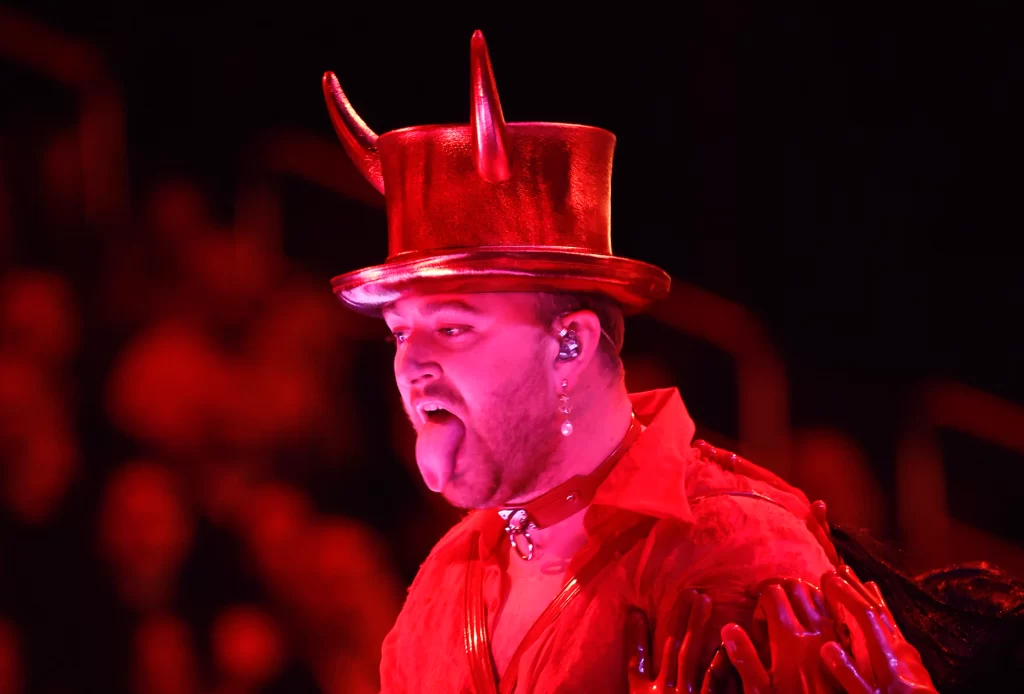
Artists like Sam Smith and Lil Nas X have been at the forefront of this trend, delivering performances and actions that challenge conventional norms and confront deeply ingrained taboos.
In this article, we explore the increasing prevalence of demonic characterizations in pop culture and the music industry, as well as the controversies surrounding artists’ choices.
The Artistic Exploration of Darkness
Throughout history, artists have often sought inspiration from the darker aspects of the human psyche. Themes of darkness, demons, and the devil have been used as allegories to express human struggles, desires, and fears. In recent times, however, there has been a notable surge in artists using these elements more explicitly, pushing the boundaries of artistry and aiming to evoke emotional reactions from their audiences.
Sam Smith’s Haunting Performances
Sam Smith, a Grammy-winning British singer-songwriter, has garnered widespread acclaim for their soulful voice and emotionally charged performances. In recent years, Smith’s artistic expression has taken a darker turn, with elements of demons and darkness being present in their music videos and stage presentations. Smith’s exploration of these themes appears to reflect a deeper introspection into their personal struggles and emotions, which resonates with many fans seeking catharsis through music.
Lil Nas X’s Controversial Artistry
Lil Nas X, a trailblazing American rapper and singer, has been at the center of intense debates due to his provocative and boundary-pushing artistry. His 2019 breakout hit “Old Town Road” catapulted him to fame, but it was his subsequent single “Montero (Call Me by Your Name)” that courted significant controversy. The music video for “Montero” depicted Lil Nas X embracing his identity as a gay man while engaging in biblical and mythological imagery, including descending into hell and giving a lap dance to a devil figure. The video sparked discussions about artistic freedom, religious symbolism, and LGBTQ+ representation in mainstream media.
Embracing the Power of Shock Value
One of the driving forces behind the increasing demonic characterizations in pop culture is the power of shock value. In an era where attention spans are shorter, artists often use provocative imagery to captivate audiences and generate buzz around their work. The bold and controversial performances of artists like Lil Nas X garner significant media attention, making it an effective strategy to increase visibility and engagement.
Criticism and Backlash
As expected, the incorporation of demonic and devilish imagery has not been universally embraced. Critics argue that such representations may desensitize audiences to themes of darkness, normalizing potentially harmful behaviors or ideas. Additionally, the use of religious symbols and iconography in a provocative manner has sparked backlash from religious groups who find it disrespectful or sacrilegious.
Conclusion
The increasing prevalence of demonic characterizations in pop culture and the music industry reflects a broader trend of artists pushing the boundaries of expression and challenging societal norms. Artists like Sam Smith and Lil Nas X have chosen to explore darker themes, sparking intense discussions about the role of shock value, artistic freedom, and the impact on audiences and cultural values. As society continues to evolve, it is essential to engage in open dialogue about the potential consequences and merits of such artistic expressions, fostering a better understanding of the multifaceted nature of modern creativity.