In the ever-evolving landscape of social media, a peculiar phenomenon has emerged, capturing the attention of millions: influencers with a criminal background.
These individuals, often celebrated for their rebellious personas, have amassed significant followings, capitalizing on their past misdeeds to cultivate a sense of authenticity and intrigue.
Simultaneously, another trend has gained traction: the rise of self-proclaimed “alpha males” who peddle programs promising to unlock masculinity through aggressive language and domineering behavior.
As these figures dominate our digital feeds, it begs the question: What fuels our fascination with individuals who defy societal norms, and why are so many drawn to their personas?
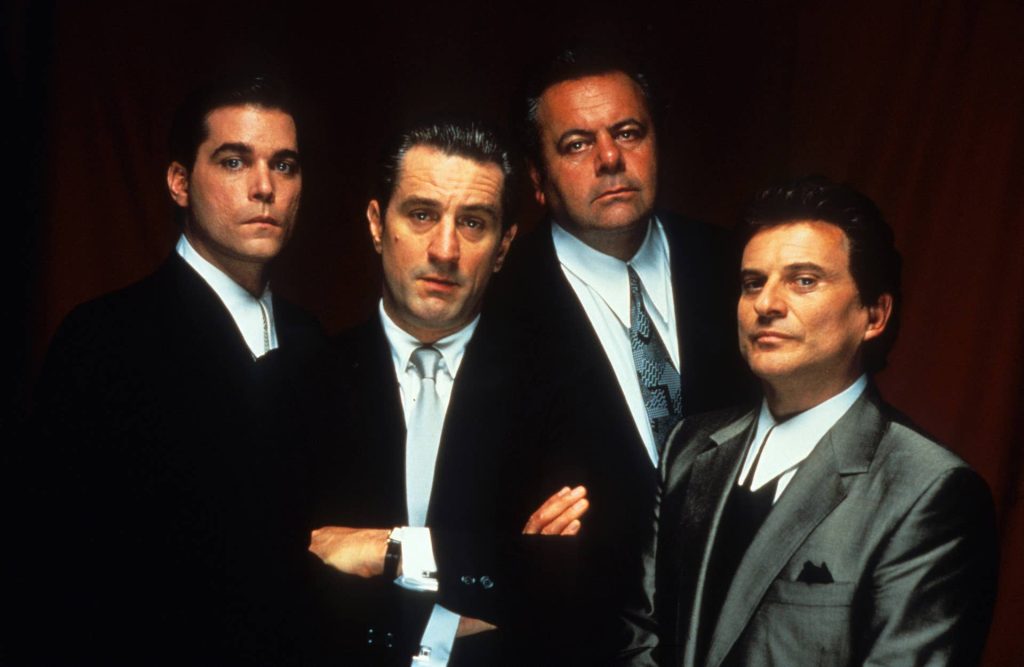
At the heart of this fascination lies a complex interplay of psychology and culture. America’s longstanding infatuation with mob culture, epitomized by figures like Al Capone and John Gotti, has ingrained a romanticized view of criminality within the collective consciousness.
From movies to music, the allure of the outlaw archetype has been perpetuated, shaping our perceptions of rebellion and defiance. In a society where conformity is often prized, these individuals represent a tantalizing escape from the mundane, offering a glimpse into a world defined by risk and rebellion.
Furthermore, the rise of influencers with a criminal background taps into our innate curiosity for the taboo. Whether it’s tales of redemption or unabashed defiance, their stories captivate audiences, providing a vicarious thrill that resonates in an age where authenticity is currency.
By embracing their past transgressions, these influencers shatter traditional notions of morality, blurring the lines between right and wrong in a quest for notoriety and influence.
CLICK HERE to watch the full ROI show on Criminals, Alpha Males and Social Media influence
Yet, it’s not just criminality that captivates audiences; it’s also the promise of transformation. Enter the world of “alpha males,” where self-styled gurus peddle programs promising to unlock the secrets of masculinity through a potent combination of aggression and swagger.
These individuals, often characterized by their high volume of swear words and confrontational demeanor, appeal to a demographic hungry for guidance in navigating the complexities of modern masculinity.
Central to this appeal is the psychology of insecurity. Middle-aged men, grappling with shifting societal norms and evolving gender roles, find themselves adrift in a sea of uncertainty.
Faced with a perceived loss of power and status, many are drawn to figures who exude confidence and assertiveness, seeking validation and guidance in their quest to reclaim their masculinity.
In a culture that valorizes strength and dominance, these self-proclaimed alpha males offer a roadmap for navigating a world increasingly characterized by ambiguity and change.
Black Activist Dr. Rashad Richey Loses Debate and Cuts to Commercial
However, beneath the bravado lies a deeper truth: the toxic nature of traditional masculinity. By equating strength with aggression and dominance, these figures perpetuate harmful stereotypes that reinforce patriarchal norms and undermine healthy relationships. In their quest to embody the alpha male ideal, they sacrifice authenticity for performance, perpetuating a cycle of insecurity and inadequacy that ultimately serves to alienate rather than empower.
Moreover, the emphasis on aggressive language and confrontational behavior reflects a broader trend within social media culture. In an era defined by clickbait and controversy, shock value reigns supreme, driving engagement at the expense of substance. For influencers seeking to capture the attention of a fickle audience, adopting a persona of unapologetic bravado is a strategic move, designed to cut through the noise and command attention in an increasingly crowded landscape.
Listen to “Glorifying Social Media Alpha Males and Prison Tough Guy Culture” on Spreaker.
Yet, as we grapple with the implications of our fascination with criminal influencers and alpha males, it’s essential to interrogate the underlying dynamics at play. What does it say about our society when we lionize individuals who flout the law and promote toxic ideals of masculinity? And what does it reveal about the state of masculinity itself, in an age where traditional notions of gender are being challenged and redefined?
Ultimately, our obsession with these figures reflects a broader cultural moment, characterized by a hunger for authenticity and belonging in an increasingly fragmented world. Whether it’s the allure of rebellion or the promise of transformation, we are drawn to individuals who offer a sense of identity and purpose in a landscape defined by uncertainty and flux. Yet, as we navigate the complexities of social media culture, it’s crucial to remain vigilant and discerning, lest we fall prey to the seductive allure of personas that mask deeper truths beneath their glossy exterior.