As June comes to a close, many people are breathing a sigh of relief as Pride Month, a time dedicated to celebrating the LGBTQ+ community, ends. This sentiment is not rooted in opposition to the community or its rights, but rather in a desire for a more balanced approach to public expression, particularly concerning the exposure of young children to themes and messages that may be beyond their understanding.
In a democratic society, the freedom of speech and expression is a cornerstone of our values. It is essential that every individual has the right to express themselves, celebrate their identity, and advocate for their rights.
Pride Month, with its parades, festivals, and events, serves as a crucial platform for the LGBTQ+ community to do just that. It promotes visibility, acceptance, and understanding, which are all vital for creating a more inclusive society.
However, this freedom comes with the responsibility of considering the context and audience of these expressions. While adults can navigate and comprehend the diverse messages conveyed during Pride Month, children are often not equipped with the same level of understanding.
This brings us to a critical point of concern: the exposure of young, impressionable minds to complex themes that they may not yet be ready to process.
Childhood is a precious time, marked by innocence, curiosity, and the gradual discovery of the world. It is a period when children should be allowed to grow and learn at a pace appropriate for their age. Unfortunately, some aspects of Pride Month celebrations have raised alarms among parents and educators regarding their impact on children.

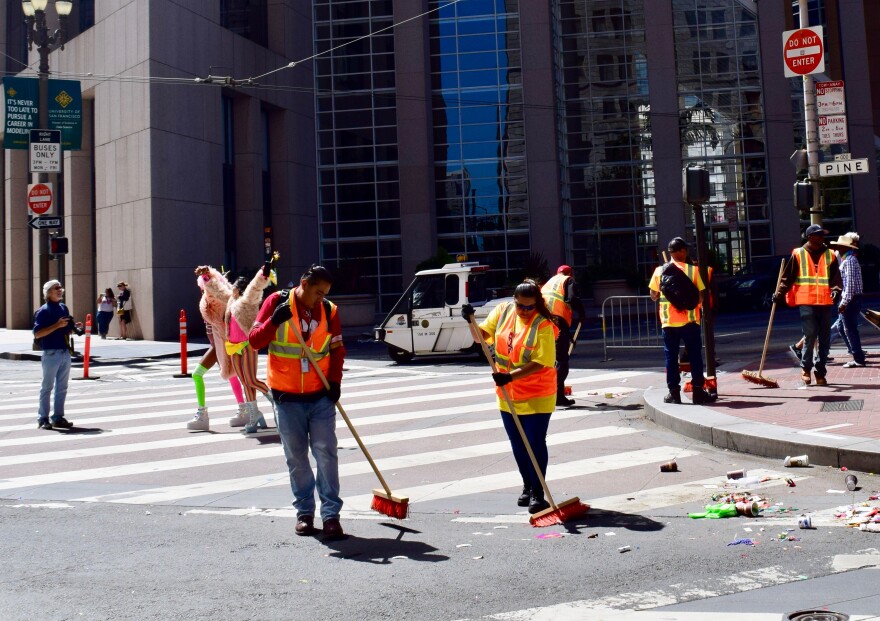
The Gay Street Clean Up Begins!
In many cities, Pride parades and events include displays and performances that are vibrant, bold, and at times, provocative. While these expressions are valid and meaningful for the LGBTQ+ community, they can be overwhelming or confusing for young children. Parents have reported instances where they felt their children were exposed to content that was not age-appropriate, leading to difficult conversations that they felt unprepared to have.
The challenge lies in finding a balance that respects the rights of the LGBTQ+ community to celebrate and advocate, while also safeguarding the innocence of children. This is not an easy task, but it is a necessary one if we are to maintain a society that values both freedom and responsibility.
One potential solution is the creation of more family-friendly Pride events. These events could focus on education, inclusivity, and fun, offering age-appropriate activities and explanations that help children understand diversity in a way that is suitable for their developmental stage. By providing a space where families can celebrate together, we can foster a sense of acceptance and understanding from a young age, without compromising the integrity of the message.
Listen to “Celebrity Cop wants Black People to Bow Down to Cops!” on Spreaker.
Another key aspect is the role of parental involvement and choice. Parents should have the ability to decide what their children are exposed to and when. This means ensuring that there is clear communication about the nature of Pride events, allowing parents to make informed decisions about their participation. It also means respecting the wishes of those who may choose to shield their children from certain aspects of these celebrations until they feel it is appropriate.
It is also important to recognize and respect that not everyone shares the same views on this issue. For some, Pride Month is a time of joy and affirmation that they wish to share with their children.
For others, it is a period that they feel should be approached with more caution. Both perspectives are valid and deserve consideration in the broader conversation about how we celebrate diversity.
As we reflect on the end of Pride Month, let us take this opportunity to consider how we can move forward in a way that honors both the rights of the LGBTQ+ community and the need to protect children’s innocence.
This is not about stifling expression or silencing voices, but about finding a respectful and balanced approach that considers the well-being of all members of our society.
By working together, we can create a world where everyone feels seen, heard, and respected, while also ensuring that our youngest members are given the space and time they need to grow and learn. Let us celebrate the end of Pride Month with a renewed commitment to dialogue, understanding, and mutual respect, striving for a future that embraces both freedom and responsibility.