
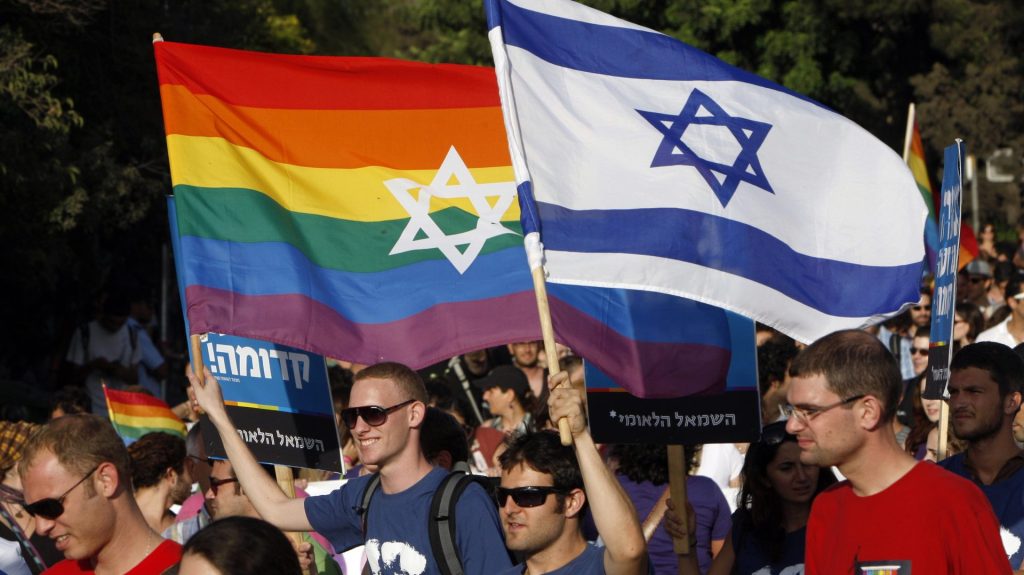
In recent years, Israel has gained international recognition for its progressive stance on LGBTQ rights. However, as the winds of change seem to be shifting, a wave of concern has swept across the nation.
Israeli protesters, who were at the forefront of the country’s LGBTQ rights revolution, now fear that the progress made may be in jeopardy.
They worry that the hard-fought victories and inclusive society they have built could face significant challenges in the future.
Historical Context: Israel’s LGBTQ rights revolution can be traced back to the groundbreaking Tel Aviv Pride Parade of 1993, which marked a turning point in the country’s perception of sexual minorities. Since then, significant strides have been made to protect LGBTQ individuals from discrimination, promote equality, and establish a vibrant queer community.
Progress Under Threat: Despite these achievements, Israeli activists are witnessing signs that their progress may be at risk. A notable concern is the increasing influence of conservative religious groups and political factions within the country. These groups often hold traditional views on gender and sexuality, which clash with the values of LGBTQ rights advocates. As their influence grows, some worry that legislation and policies protecting LGBTQ individuals may be rolled back or undermined.
Challenges Ahead: Israeli protesters are particularly concerned about a recent surge in proposed bills that could threaten the LGBTQ rights revolution. One controversial bill seeks to ban LGBTQ conversion therapy, a harmful practice aimed at changing a person’s sexual orientation or gender identity. Additionally, discussions around restricting adoption rights for same-sex couples have sparked fears of eroding equality in the country. These proposed measures have mobilized activists to take to the streets, demanding that their hard-won rights be protected.
International Comparisons: Israel’s LGBTQ rights revolution has positioned the country as a global leader in LGBTQ inclusivity, garnering praise from around the world. However, activists now fear that Israel may backslide in its progress, as has been witnessed in other countries. They point to examples where LGBTQ rights have been gradually eroded, emphasizing the need for continued vigilance and activism to safeguard the gains made.
The Role of Protesters: Israeli protesters are determined to ensure that the future of LGBTQ rights remains bright in their country. They are organizing rallies, marches, and demonstrations to raise awareness about the potential threats and to advocate for the preservation and expansion of LGBTQ rights. By amplifying their voices, they hope to maintain Israel’s status as a safe haven for sexual minorities and reinforce the message of inclusivity and acceptance.
Conclusion: The Israeli LGBTQ rights revolution, once celebrated for its progressiveness, now faces an uncertain future. As conservative religious groups gain influence and proposed bills threaten to roll back hard-won rights, protesters are voicing their concerns and fighting for the preservation of equality and inclusivity. The outcome of this struggle will determine whether Israel continues to be a beacon of hope for LGBTQ individuals or experiences setbacks in its journey toward a truly equal society.