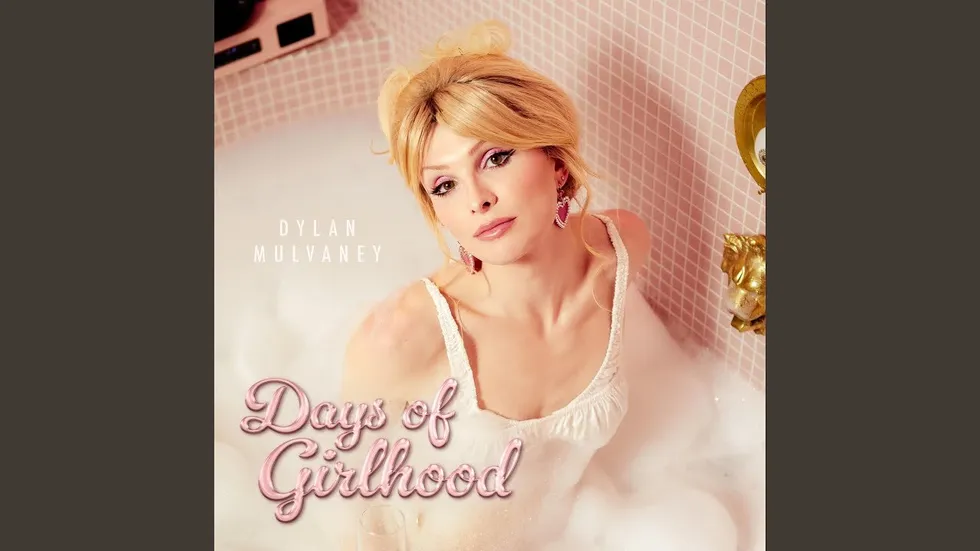
Dylan Mulvaney, a rising star in the music industry (laughing as I write this), recently released a new music video titled “Days of Girlhood,” but instead of garnering praise, the video has sparked controversy and drawn criticism from various quarters.
It’s a cringe worthy joke that I forced myself to sit through and you should too. While it’s important to support individuals who genuinely suffer from gender dysphoria (yes, I truly want to give my support and empathy to this mental health issue, as having a very close friend who is trans and now understand the issue more), Mulvaney’s attempt at representation in his music video comes off as cringe-worthy and ultimately does a disservice to the transgender community.
At first glance, “Days of Girlhood” seems like a heartfelt attempt by Mulvaney to shed light on the experiences of transgender individuals navigating their gender identity.
However, upon closer inspection, the music video falls short on many levels, ultimately undermining the very cause it seeks to promote.
One of the most glaring issues with the music video is Mulvaney’s portrayal of himself. In an apparent attempt to embody the struggles of transgender individuals, Mulvaney dons exaggerated makeup and costumes that border on caricature.
Instead of coming across as authentic, Mulvaney’s performance feels forced and insincere, ultimately overshadowing any message of empowerment or solidarity he may have intended to convey.
CLICK HERE to Watch The Rants of Izzo Show!
Furthermore, the lyrics of “Days of Girlhood” fail to capture the nuanced experiences of gender dysphoria. Rather than delving into the complexities of identity and self-discovery, the song’s lyrics come across as clichéd and superficial. Lines like “I’m breaking free from society’s chains” and “I won’t let anyone define me” ring hollow when delivered in the context of Mulvaney’s over-the-top persona.
Moreover, the music video itself is rife with cringe-inducing moments that further detract from its intended message. From awkward dance sequences to heavy-handed symbolism, “Days of Girlhood” feels more like a parody of transgender representation than a sincere attempt at advocacy. Instead of elevating the voices of transgender individuals, Mulvaney’s music video risks perpetuating harmful stereotypes and reinforcing negative perceptions of the transgender community.
Perhaps most concerning is the impact that Mulvaney’s misguided attempt at representation could have on the transgender movement as a whole.
In an era where transgender rights are under attack and visibility is crucial, Mulvaney’s missteps only serve to undermine the progress that has been made. By reducing the transgender experience to a spectacle for mass consumption, Mulvaney’s content runs the risk of trivializing the very real struggles faced by transgender individuals on a daily basis.
It’s important to note that there are countless transgender artists and activists who are working tirelessly to uplift the voices of their community in a meaningful and authentic way. From musicians like Shea Diamond to actors like Laverne Cox, there are individuals who are using their platforms to effect positive change and challenge societal norms.
In contrast, Mulvaney’s music video feels like a missed opportunity to contribute meaningfully to the conversation surrounding gender identity and acceptance. Instead of amplifying the voices of transgender individuals, Mulvaney’s content serves as a cautionary tale of what happens when good intentions are overshadowed by tone-deaf execution.
Moving forward, it’s crucial for artists and influencers to approach issues of gender identity and representation with sensitivity and respect. While it’s important to raise awareness and promote inclusivity, it’s equally important to do so in a way that honors the experiences and struggles of the transgender community. Anything less risks doing more harm than good and further perpetuating harmful stereotypes and misconceptions.
In conclusion, Dylan Mulvaney’s “Days of Girlhood” music video may have been intended as a gesture of solidarity with the transgender community, but ultimately falls short of its mark.
By prioritizing shock value over substance and authenticity, Mulvaney’s content risks doing more harm than good and undermines the very cause it seeks to support.
As allies and advocates, it’s imperative that we approach issues of gender identity and representation with the care and respect they deserve, lest we perpetuate harmful stereotypes and further marginalize those whose voices deserve to be heard.