
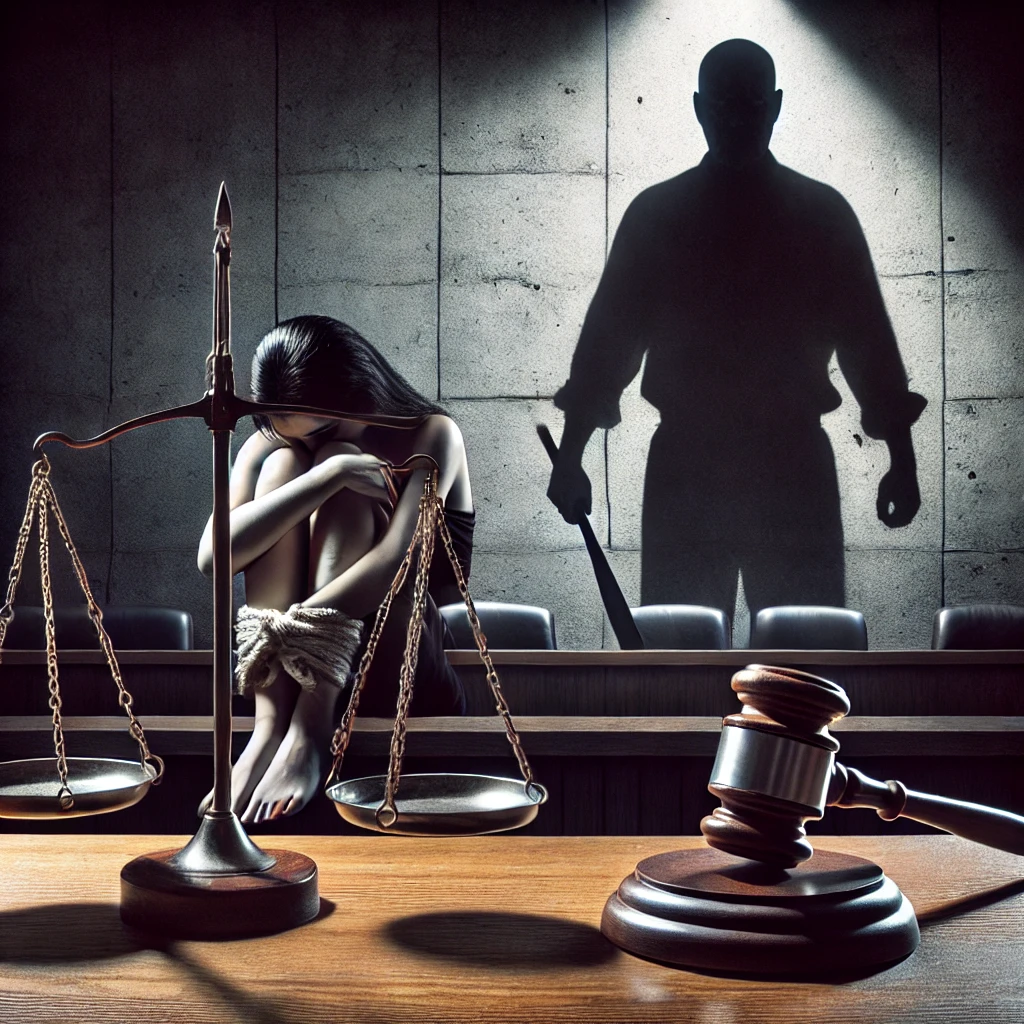
A recent court case in Germany has sparked widespread debate and concern over the justice system. A 20-year-old woman, Maja R., received a harsher sentence for defamation than a man convicted of participating in a gang rape. The incident has raised questions about the country’s strict defamation laws and their impact on freedom of speech, especially on the internet.
The Incident
Maja R. was jailed for a weekend after being found guilty of defaming one of the nine attackers who had gang-raped a 15-year-old girl in a Hamburg park in September 2020. The man, who was a teenager at the time of the crime, received only a suspended sentence due to his age and served no time in prison.
Maja R., who did not know the rapist personally, was one of at least 140 people who sent him disparaging messages via WhatsApp after his name and number were leaked on Snapchat. In her messages, she called him a “disgraceful rapist pig” and a “disgusting freak.” She also expressed a desire for him to be “locked away” and unable to “go anywhere without getting kicked in the face.”
Legal Outcomes
The disparity in sentencing between Maja R. and the convicted rapist has drawn significant attention and criticism. The man, despite being involved in a severe crime, avoided jail time due to the protections afforded by German juvenile law. In contrast, Maja R.’s defamation conviction resulted in a harsher punishment, partly because she had a prior conviction for theft and did not attend her court hearing.
Public Reaction
The case has generated substantial public outrage. Activists, women’s rights groups, and citizens are questioning the legal system’s handling of such sensitive cases, particularly focusing on the perceived imbalance in sentencing. A court spokesperson noted that Maja R.’s hostility reflected the country’s lingering anger over the rape case, even four years later.
Broader Implications
This case highlights potential flaws in the legal system regarding how rape and defamation cases are adjudicated. Critics argue that such legal outcomes may deter victims of sexual violence from coming forward, fearing retribution or punishment. Legal experts have pointed out that this case underscores the need for reform in how the legal system addresses accusations of sexual violence and defamation. There is a growing consensus that the current laws may inadvertently discourage victims from seeking justice.
German Defamation Laws and Free Speech on the Internet
Germany has some of the strictest defamation laws in the world, criminalizing even mild slurs. Calling someone an “idiot” can result in a prison sentence of up to two years. These laws are intended to protect individuals’ reputations, but they can also restrict freedom of speech, particularly on the internet.
The case of Maja R. illustrates the tension between protecting individuals from defamation and allowing freedom of expression. While her comments were harsh and offensive, the severity of her punishment raises questions about the proportionality of Germany’s defamation laws. Critics argue that the laws need to be updated to reflect the realities of digital communication and to ensure that they do not unduly punish individuals for expressing their opinions online.
Calls for Review
In response to the public outcry, there have been calls for a review of the case and broader legal reforms. Advocates are urging the government to ensure that victims of sexual violence receive fair treatment and that their rights are adequately protected. Several prominent figures in Germany’s legal and political spheres have weighed in on the issue. “The disparity in sentencing in this case is unacceptable,” said a member of the Bundestag. “We must ensure that our legal system supports and protects victims, not penalizes them.”
International Attention
The case has also drawn international media coverage, with human rights organizations calling for an examination of Germany’s legal processes to prevent such disparities in the future. International human rights organizations have expressed concern about the implications of this case. Amnesty International released a statement calling for an immediate review and urging Germany to align its legal practices with international standards that protect victims of sexual violence.
Did you miss our “thank God” episode on Pride Month finally coming to an end? Listen here:
Listen to “Who’s got the mop? Cleanup Begins as Pride Month is Over!” on Spreaker.
Legal Experts’ Opinions
Legal experts have noted that the sentencing in this case may reflect broader systemic issues within the German judicial system. They argue that the laws governing defamation and sexual violence need to be revisited to ensure that they are fair and just. A law professor from a leading German university commented, “This case illustrates the need for comprehensive legal reform. The current framework does not adequately address the complexities of cases involving both defamation and accusations of sexual violence. It is imperative that we create a more balanced and just legal system.”
Conclusion
The sentencing of Maja R. to a harsher punishment for defamation than the man convicted of raping her has raised critical questions about justice and the treatment of sexual violence victims. This case has ignited calls for urgent legal reforms to ensure fair and just outcomes for all involved. The debate surrounding this case is likely to continue as activists, legal experts, and politicians push for changes to the legal system. Ensuring that victims of sexual violence are treated with the dignity and respect they deserve is a fundamental aspect of a just society. As Germany grapples with the implications of this case, it serves as a reminder of the ongoing need to protect and support victims in their pursuit of justice.