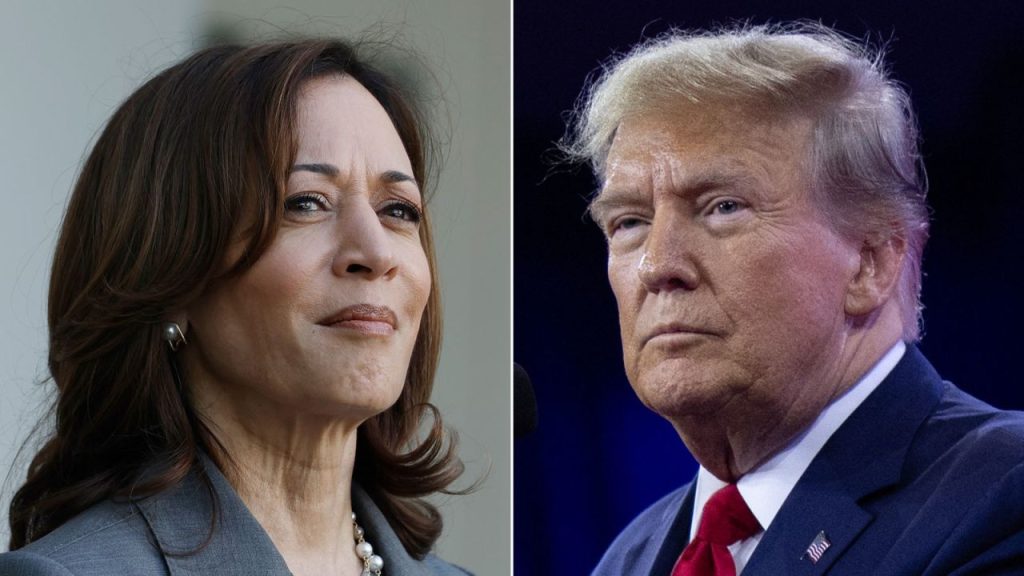
As the 2024 Presidential Election looms, the stark differences between Kamala Harris and Donald Trump’s foreign policy approaches become increasingly evident. While Harris champions a continuation of the liberal globalist agenda, Trump offers a vision of robust American sovereignty and strategic nationalism. Here’s a closer look at how their foreign policies would diverge if elected.
San Diego Police Shoot and Kill Homeowner for Unknown Crime
Kamala Harris: The Globalist Agenda
Kamala Harris’ foreign policy outlook is deeply rooted in the globalist framework that has characterized the Democratic Party’s approach for decades. Harris, like her predecessors, advocates for multilateralism, international cooperation, and a reliance on global institutions. However, this seemingly benign stance often translates into policies that prioritize international approval over national interest, undermining American sovereignty and security.
Emphasis on International Agreements
Harris has repeatedly emphasized her commitment to re-engaging with international agreements and organizations that Trump either withdrew from or criticized. Under her administration, we can expect a return to the Paris Climate Agreement, the Iran Nuclear Deal, and potentially even the Trans-Pacific Partnership (TPP). While these agreements are touted as steps toward global cooperation, they often place disproportionate burdens on the United States, stifling our economic growth and compromising our strategic interests.
Soft Stance on China
One of the most concerning aspects of Harris’ foreign policy is her approach to China. The Biden-Harris administration has shown a reluctance to confront China’s aggressive expansionism and human rights abuses. Harris’ proposed policies suggest a continuation of this tepid stance, prioritizing diplomatic engagement and economic interdependence over holding China accountable. This appeasement strategy risks emboldening China and undermining American influence in the Indo-Pacific region.
Is The Statue of Liberty is a Monument to Satan?
Listen to “Is The Statue of Liberty is a Monument to Satan?” on Spreaker.
Open Borders and Immigration Policies
Harris’ foreign policy also intersects significantly with her stance on immigration. Advocating for more lenient immigration policies and a path to citizenship for illegal immigrants, Harris’ approach undermines border security and national sovereignty. Her administration would likely reverse Trump-era immigration policies, leading to increased illegal immigration and strained resources.
Donald Trump: America First
In stark contrast, Donald Trump’s foreign policy is grounded in the principle of “America First.” Trump’s approach is characterized by a firm commitment to national sovereignty, economic nationalism, and a willingness to challenge international norms that disadvantage the United States. His policies prioritize American interests and security above all else.
Tough Stance on China
Trump’s tenure was marked by a decisive and confrontational approach to China. Recognizing the threat posed by China’s economic and military ambitions, Trump implemented tariffs, sanctioned Chinese companies, and challenged China’s unfair trade practices. A second Trump term would likely see a continuation of these hardline policies, with an emphasis on decoupling critical supply chains from China and bolstering alliances with Indo-Pacific nations to counter Chinese influence.
Withdrawal from Costly International Agreements
Trump’s foreign policy also entails a selective approach to international agreements. Trump withdrew from the Paris Climate Agreement and the Iran Nuclear Deal, both of which he viewed as detrimental to American interests. His administration prioritized bilateral agreements and negotiations that offered tangible benefits to the United States. Trump’s pragmatic approach ensures that international engagements serve American interests rather than globalist ideals.
Strong Border and Immigration Policies
Trump’s foreign policy is intrinsically linked to his strong stance on immigration. He views border security as a national security issue and has implemented measures to curb illegal immigration, such as building the border wall and enforcing stricter immigration laws. Trump’s policies aim to protect American jobs and resources, ensuring that immigration serves the nation’s interests.
Who are the Conservatives that are influencing your kids?
Rebuilding Military Strength
A cornerstone of Trump’s foreign policy is rebuilding and modernizing the U.S. military. Trump understands that a strong military is essential for maintaining global influence and deterring adversaries. His administration increased defense spending and prioritized the development of advanced military technologies. A second term would likely see continued investments in military capabilities, ensuring that the U.S. remains a dominant global power.
Conclusion: A Choice Between Globalism and Nationalism
The 2024 Presidential Election presents a clear choice between two fundamentally different foreign policy visions. Kamala Harris represents the globalist agenda that prioritizes international cooperation, often at the expense of American sovereignty and security. Her policies risk emboldening adversaries like China, compromising border security, and entangling the U.S. in costly international agreements.
In contrast, Donald Trump’s “America First” foreign policy emphasizes national sovereignty, economic nationalism, and a strong military. His tough stance on China, selective engagement in international agreements, and strong border policies ensure that American interests remain paramount. Trump’s approach offers a path to reclaiming American strength and influence on the global stage.
As voters consider their choices, it’s imperative to recognize the long-term implications of these divergent foreign policy paths. The decision in 2024 will determine whether America continues down the path of globalist appeasement or reclaims its sovereignty and strategic independence. For those who value American strength and security, the choice is clear.