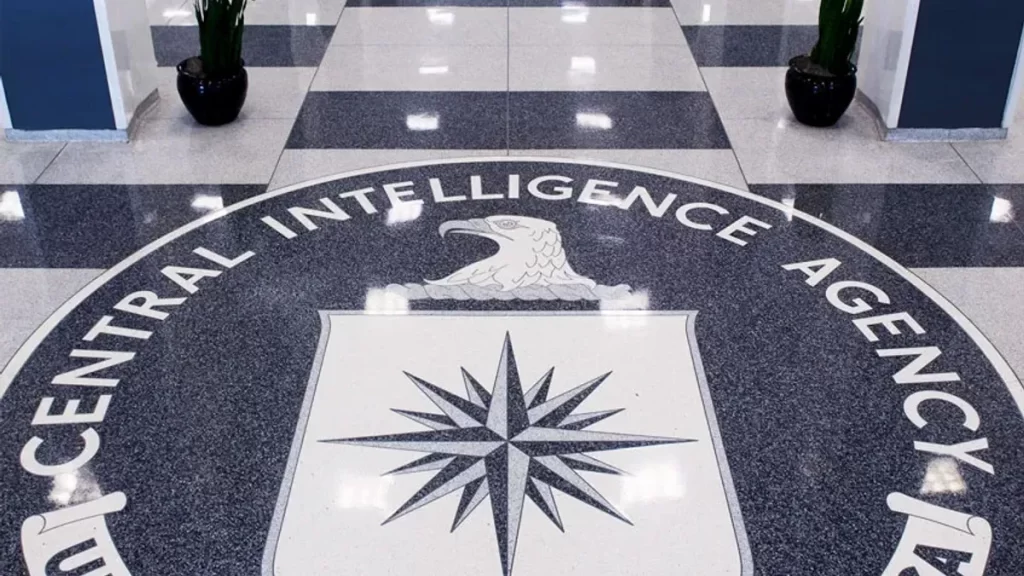
Operation Mockingbird stands as one of the most controversial and intriguing operations in the history of the United States Central Intelligence Agency (CIA).
Dating back to the early days of the Cold War, this covert operation aimed to manipulate the media landscape, influence public opinion, and shape the narrative on both domestic and international fronts.
This article delves into the factual presence, history, and applications of Operation Mockingbird, providing cited references and highlighting its significant impact on American history.
The Factual Presence of Operation Mockingbird:
Operation Mockingbird was a clandestine operation conducted by the CIA during the mid-20th century. The operation’s objective was to infiltrate and influence various media organizations, journalists, and publishers, both within the United States and abroad. Its existence was first revealed by journalist Carl Bernstein in a 1977 article published in Rolling Stone magazine, titled “The CIA and the Media.”
History of Operation Mockingbird:
Operation Mockingbird traces its origins to the early years of the Cold War, specifically the late 1940s and early 1950s. During this period, the CIA sought to counter Soviet propaganda and maintain control over the flow of information. The operation is believed to have been initiated by CIA Director Allen Dulles, who recognized the power of the media in shaping public opinion.
One of the key components of Operation Mockingbird was the recruitment of journalists, reporters, and editors who were sympathetic to the agency’s agenda. The CIA often utilized covert tactics such as financial incentives, career advancement opportunities, and even threats of exposure to ensure cooperation. By infiltrating major news organizations, the agency aimed to disseminate propaganda, suppress unfavorable stories, and influence public opinion in favor of U.S. government interests.
Applications and Impact:
- Domestic Influence: Operation Mockingbird had a significant impact on domestic affairs, with the CIA exerting influence over various media outlets. The operation sought to shape public opinion on key issues, such as the Cold War, foreign interventions, and government policies. The agency used its media connections to spread propaganda, control narratives, and promote its own agenda.
- International Operations: Operation Mockingbird extended beyond U.S. borders, as the CIA sought to influence media organizations worldwide. The agency covertly supported publications, journalists, and broadcasters who aligned with American interests. By doing so, the CIA aimed to sway public opinion in foreign countries, especially those targeted by Soviet influence.
- Subversion of Independent Journalism: One of the most concerning aspects of Operation Mockingbird was the subversion of independent journalism. The infiltration of the media by the CIA compromised the principles of objectivity, integrity, and journalistic independence. The operation eroded the public’s trust in the media and raised questions about the authenticity and neutrality of news reporting.
Cited References and Investigations:
- Carl Bernstein’s Rolling Stone Article: In 1977, Carl Bernstein, a renowned investigative journalist, published an article titled “The CIA and the Media” in Rolling Stone magazine. Bernstein’s extensive research exposed the existence of Operation Mockingbird and its activities, shedding light on the covert relationship between the CIA and the media.
- Church Committee Investigation: In response to Bernstein’s revelations, the U.S. Senate established the Church Committee in 1975 to investigate CIA activities, including Operation Mockingbird. The committee’s findings confirmed the existence of the operation and raised concerns about its implications for democracy and freedom of the press.
Conclusion:
Operation Mockingbird stands as a glaring example of the CIA’s efforts to manipulate the media landscape and shape public opinion during the Cold War era. Its factual presence, history, and applications have been extensively documented, raising questions about the integrity of journalism and the boundaries of government influence. Operation Mockingbird serves as a stark reminder of the importance of independent media and the need for transparency to safeguard the principles of democracy.
References:
- Bernstein, C. (1977, October 20). The CIA and the Media. Rolling Stone.
- Final Report of the Select Committee to Study Governmental Operations with Respect to Intelligence Activities. (1976). United States Senate.
- Weiner, T. (2007). Legacy of Ashes: The History of the CIA. Doubleday.