
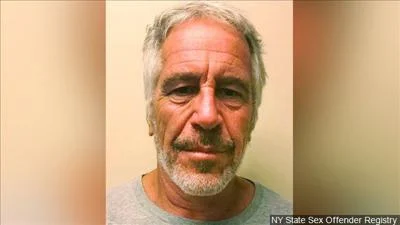
Despite being a highly publicized figure in the United States, the circumstances surrounding Jeffrey Epstein’s death at the Metropolitan Correctional Center in New York on August 10, 2019, have raised numerous questions and suspicions.
Epstein, a financier awaiting trial on charges of sex-trafficking underage girls, was found lifeless in his cell around 6:30 a.m., having reportedly used an orange bedsheet to hang himself from the bunk bed. This incident was marked by a series of alarming oversights and anomalies.

During the preceding night, surveillance cameras in the Secure Housing Unit where Epstein was housed mysteriously failed to record. Prison guards were reportedly asleep, and Epstein was left without a cellmate, contrary to direct orders from prison psychologists. Then-Attorney General Bill Barr later described the situation as a “perfect storm of screw-ups.”
Within a week, a medical examiner declared Epstein’s death a suicide, closing the case without further investigation. The Department of Justice produced a 128-page report attributing Epstein’s death to staff errors and citing “long-standing operational challenges.”
Despite the official narrative, numerous individuals, including Epstein’s brother Mark Epstein, have consistently contested it, demanding transparency and public access to critical information, such as video footage from the cell block.
Misogyny WILL Save American Lives!
Listen to “Misogyny WILL Save American Lives!” on Spreaker.
Mark Epstein voiced concerns, stating, “I only want to look at facts, but when we consider the facts available, we get more questions.” He expressed frustration over the lack of an investigation beyond the initial ruling of suicide and the absence of crucial records.
Two medical examiners, Dr. Kristin Roman and Dr. Michael Baden, initially listed the manner of death as “pending,” indicating the need for further investigation. However, a week later, New York Chief Medical Examiner Barbara Samson overruled them, classifying Epstein’s death as suicide, citing “additional evidence” without disclosing its nature.
Baden raised significant concerns about Epstein’s autopsy findings, including multiple breaks in Epstein’s throat structure that he considered highly unusual for a suicidal hanging. He emphasized that such injuries were more consistent with homicidal strangulation.
Epstein’s cell and autopsy photos further raised questions, as the ligature marks on his throat indicated an atypical positioning. The Department of Justice’s description of the scene portrayed Epstein as “suspended from the top bunk in a near-seated position,” suggesting most of his body weight was on the ligature around his neck.
Additionally, the identity of the noose used in Epstein’s death remains questionable, as the presented evidence did not match the one allegedly cut from Epstein’s body. Photographs of Epstein’s cell showed the presence of a sleep apnea machine with an electrical cord that could have been used for self-infliction.
The War on Jews
Despite obvious signs of death for at least two hours, Epstein was transferred to a hospital, dressed in a hospital gown, and placed on a gurney. The 911 call made from the prison and its contents have never been released to the public.
In the lead-up to Epstein’s death, concerning incidents took place, including neck injuries sustained in a confrontation with his cellmate, former police officer Nicholas Tartaglione. Epstein initially claimed he had been attacked but later refused to provide further details. In response, the prison psychology department ordered that Epstein have a cellmate at all times and be closely monitored.
However, Epstein’s new cellmate, Efrain “Stone” Reyes, was transferred out of the MCC to another facility less than 24 hours before Epstein’s death. Reyes informed his family that Epstein appeared “depressed” and expressed a desire not to live, fueling suspicions that he may have contemplated suicide. Yet, video evidence from the night of Epstein’s death remains notably limited, leaving many questions unanswered.