
In recent years, the debate over term limits for elected officials in the United States federal government has gained renewed urgency. As an independent observer, I am compelled to address the issue of elder abuse within our political system.
The glaring examples of Senator Dianne Feinstein’s final years in office, Senator Mitch McConnell’s current health decline, and President Joe Biden’s visible cognitive struggles underscore the need for a robust discussion about implementing term limits to ensure effective governance.

The Problem of Age and Cognitive Decline
Research consistently shows that cognitive decline is a natural part of aging. Studies indicate that after age 65, the risk of dementia doubles every five years, affecting critical thinking, memory, and decision-making abilities. This has profound implications for individuals in high-stakes, high-pressure roles such as those in the federal government. While experience is invaluable, there comes a point where age-related cognitive decline can impair job performance, leading to suboptimal policy decisions and governance.
The Case of Dianne Feinstein
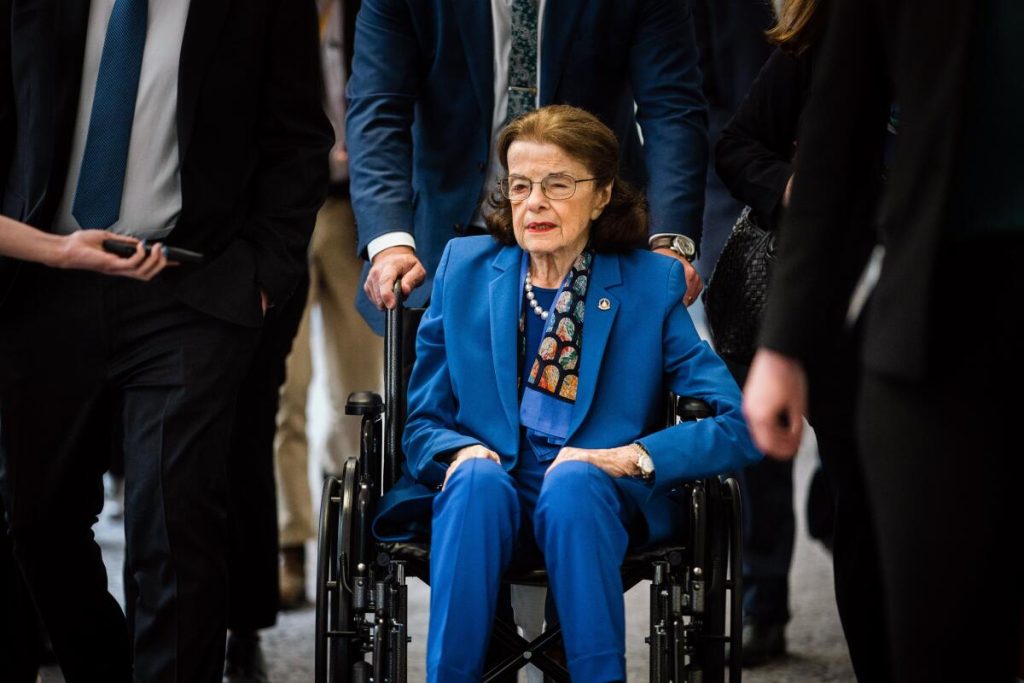
Senator Dianne Feinstein, a long-serving member of the U.S. Senate, became a poignant example of the consequences of prolonged tenure in office without term limits. In her final years, there were numerous reports and observations about her declining cognitive abilities. Colleagues and staffers frequently noted her memory lapses and confusion during critical discussions. Despite these issues, she remained in office until her passing, raising questions about her ability to fulfill her duties effectively. This situation not only affected her performance but also pointed to a broader issue of elder abuse, where political pressure and personal legacy took precedence over her well-being.
Mitch McConnell’s Health Decline
Senate Minority Leader Mitch McConnell’s recent health episodes further illustrate the urgent need for term limits. McConnell, who has experienced multiple falls and health scares, including instances where he appeared to freeze during press conferences, demonstrates the physical and cognitive toll that prolonged political careers can exact. His health issues have sparked debates about his capacity to lead and make informed decisions, highlighting the risks of allowing aging politicians to remain in power without sufficient checks on their fitness for office.
President Joe Biden’s Cognitive Challenges
President Joe Biden’s term has been marked by frequent discussions about his cognitive health. At 81, Biden is the oldest president in U.S. history, and his public appearances often spark concern about his mental acuity. Instances of forgetfulness, verbal gaffes, and apparent confusion have fueled debates about his ability to handle the immense responsibilities of the presidency. While Biden’s supporters argue that he remains fit for office, the evidence of cognitive decline is difficult to ignore and raises serious questions about the wisdom of allowing individuals to hold such high office at advanced ages.
The Argument for Term Limits
Implementing term limits for elected officials is not just about addressing cognitive decline; it’s about ensuring a government that is dynamic, responsive, and capable of meeting contemporary challenges. Term limits can prevent the entrenchment of power, reduce corruption, and encourage fresh perspectives in policymaking.
Listen to “Become WAR. Ep 9 – Be a Man and Make a Damn Decision” on Spreaker.
Term limits would also help to mitigate the risks associated with cognitive decline among aging politicians. By ensuring regular turnover in elected positions, we can promote a healthier, more vibrant democratic process. This would not only improve the effectiveness of governance but also protect the dignity and well-being of the individuals who serve.
Addressing Elder Abuse in Politics
The cases of Feinstein, McConnell, and Biden reflect a deeper issue of elder abuse within our political system. Keeping individuals in positions of immense stress and responsibility despite clear signs of declining health is a form of neglect. It prioritizes political expediency over human dignity, subjecting elderly politicians to undue strain and scrutiny.
As an independent observer, I believe it is our duty to advocate for policies that protect our leaders from being exploited by the demands of their offices. Term limits offer a practical solution to this problem, ensuring that no one is pushed beyond their capacity to serve effectively.
The evidence of cognitive decline among some of our most senior elected officials is compelling and demands action. Implementing term limits is a necessary step to address the problem of elder abuse in our government. It ensures that our leaders are not only experienced but also physically and mentally capable of handling the responsibilities of their offices.
Our democracy deserves leaders who are at their best, capable of making sound decisions and leading with clarity and vigor. By instituting term limits, we can protect our political system from the dangers of prolonged tenure and ensure a healthier, more dynamic government. It is time to take a hard, unapologetic stance on this issue and prioritize the effectiveness and integrity of our governance over the longevity of political careers.
Mainstream media’s reluctance to report on the declining health of these senior politicians is deeply troubling. By failing to hold these leaders accountable, the media is complicit in allowing elder abuse to continue unchecked. The electorate relies on the media to provide honest and comprehensive coverage of those in power, yet there is a glaring omission when it comes to the health and cognitive abilities of aging politicians. This lack of transparency not only misleads the public but also undermines the democratic process.