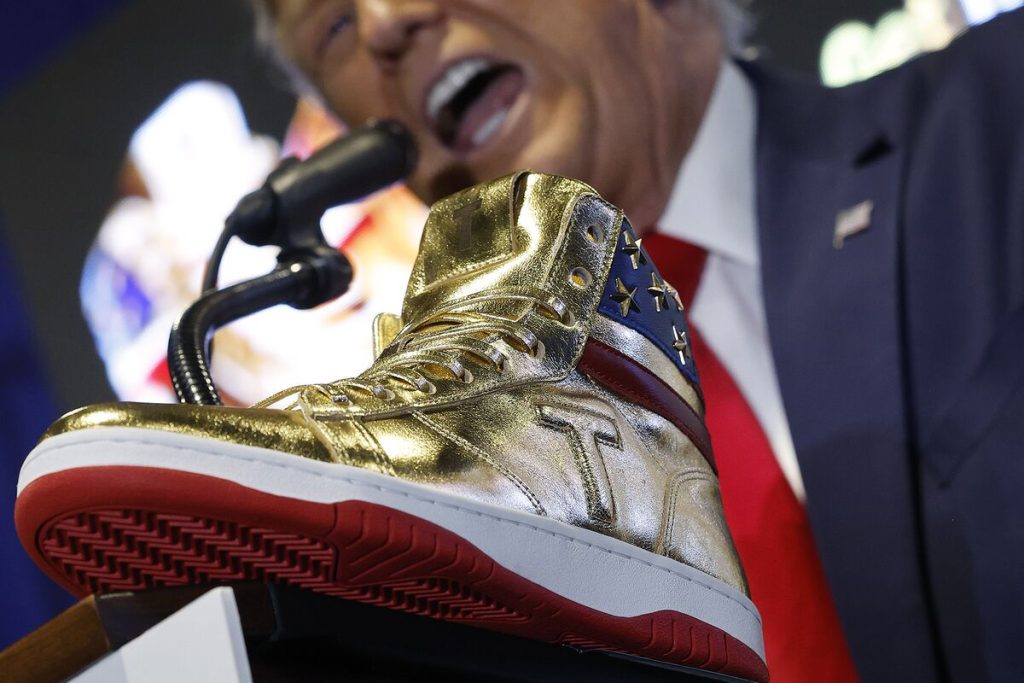
The phenomenon of idolization, particularly in politics, has historically yielded both fervent supporters and ardent critics. In recent times, the idolization of former President Donald Trump has become a defining feature of American conservatism. This trend not only shapes the present landscape of politics but also carries profound implications for the future trajectory of the conservative movement.
Trump’s ascension to power was marked by a unique blend of populism, nationalism, and showmanship. His unorthodox style resonated with a significant portion of the electorate disillusioned with traditional political elites. Consequently, Trump emerged as a larger-than-life figure, commanding unwavering loyalty from his base.
The cult of personality surrounding Trump has led to the normalization of behavior and rhetoric previously considered unacceptable in mainstream politics. His brazen disregard for norms and institutions has emboldened his followers, creating a fervent echo chamber where loyalty to the leader supersedes ideological consistency.
Are We Worshiping Our Politicians? CLICK HERE and watch The Rants of Izzo Show
While Trump’s presidency may have ended, his influence within the conservative movement remains potent. The continued idolization of Trump has led to a schism within the Republican Party, pitting establishment figures against staunch Trump loyalists. This internal strife threatens to undermine the party’s cohesion and effectiveness.
One of the most significant challenges posed by Trump idolization is its potential to stifle dissent and innovation within conservative circles. The fear of reprisal from the Trump base has forced many Republicans into silence or acquiescence, hindering constructive debate and ideological diversity.
Moreover, Trump’s brand of politics prioritizes loyalty over competence, resulting in the elevation of inexperienced or unqualified individuals to positions of power. This trend undermines the meritocracy that is essential for effective governance and policy implementation.
Listen to “Has Political Idol Worship Pushed Us Past the Point of No Return?” on Spreaker.
The long-term consequences of Trump idolization extend beyond partisan politics to the very fabric of democratic governance. By normalizing authoritarian tendencies and undermining trust in democratic institutions, the cult of Trump poses a fundamental threat to the stability of American democracy.
Furthermore, the international reputation of the United States has suffered as a result of Trump’s divisive leadership style and isolationist policies. The idolization of Trump perpetuates an image of American politics as erratic and unpredictable, eroding trust among allies and emboldening adversaries.
In the quest to reclaim political power, some conservatives have embraced Trumpism as a winning formula without critically examining its flaws and limitations. This shortsighted approach risks alienating moderate voters and further entrenching the party in a narrow, exclusionary ideology.
To navigate the challenges posed by Trump idolization, conservatives must engage in soul-searching and introspection. They must reclaim the principles of conservatism from the clutches of personality cults and reaffirm their commitment to democratic norms and institutions.
This necessitates a reevaluation of the party’s priorities and messaging to resonate with a broader cross-section of the electorate. Rather than fixating on the cult of personality, conservatives should focus on articulating a compelling vision for the future that addresses the concerns of all Americans.
Ultimately, the future of conservative politics hinges on the ability of the movement to transcend the shadow of Trump idolization and chart a new course based on principles of inclusivity, pragmatism, and respect for democratic norms. Only then can the conservative party reclaim its relevance and credibility in the eyes of the American people.
REAL BEEF! CLIKC HERE and Order Yours Today!
In conclusion, the idolization of Donald Trump poses significant challenges to the future of conservative politics, both in the United States and beyond. By perpetuating a cult of personality and undermining democratic norms, Trumpism threatens to erode the very foundations of democratic governance. To safeguard the future of conservatism, it is imperative that the movement rejects the allure of idolization and embraces a more inclusive and principled approach to politics.