
In recent years, the concepts of D.I.E. (Diversity, Inclusion, and Equity) and ESG (Environmental, Social, and Governance) have gained significant prominence in the corporate world.
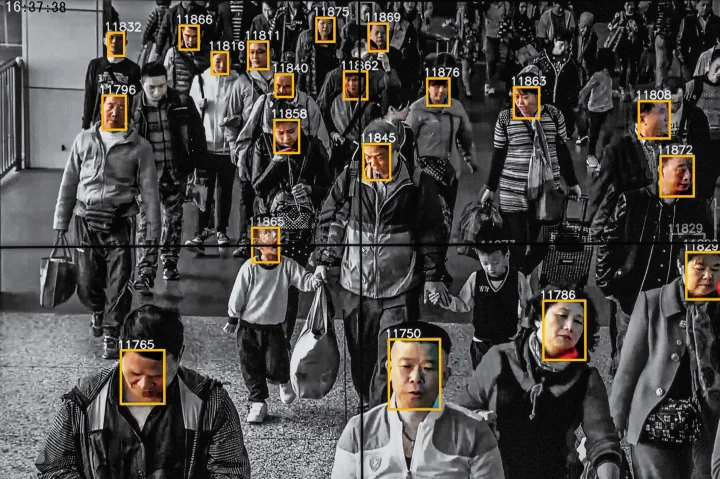
Alongside these corporate initiatives, the notion of a social credit score has surfaced, promising to revolutionize the way businesses and individuals are evaluated.
However, while these ideas might seem progressive on the surface, a closer examination reveals potential implications that could raise skepticism about their application in the American economy.
The Emergence of Social Credit Score
Social credit score, an idea borrowed from China’s controversial social credit system, proposes a numerical evaluation of individuals and businesses based on their social behavior and financial conduct.
Proponents argue that it could incentivize positive actions, foster trust within society, and improve overall corporate accountability. However, critics warn of the potential for abuse, privacy violations, and the reinforcement of an authoritarian surveillance state.
Benefits of Social Credit Score (According to those in favor)
Proponents of the social credit score system argue that its implementation could yield several potential benefits:
- Improved Corporate Behavior: Companies could be incentivized to adopt sustainable practices, transparency, and ethical behavior, thereby contributing to a greener and more responsible economy.
- Trust-Building: A transparent and accountable social credit system could enhance trust among consumers, investors, and stakeholders, fostering a more stable economic environment.
- Responsible Citizenship: Individuals could be encouraged to participate in positive social activities, contributing to community well-being and social cohesion.
- Reduced Financial Risks: Lenders could use social credit scores to assess the creditworthiness of individuals and businesses more accurately, potentially reducing financial risks.
Potential Harms of Social Credit Score (according to those with their eyes open)
While the purported benefits of social credit score sound promising, it is essential to consider the potential harms:
- Privacy Concerns: The collection of vast amounts of personal data to calculate social credit scores raises serious privacy issues, leaving individuals vulnerable to misuse and abuse of their information.
- Discrimination and Bias: There is a risk of the system perpetuating existing biases, resulting in unfair treatment and discrimination against certain groups.
- Freedom of Expression: A social credit score could inadvertently suppress freedom of expression, as individuals may fear retribution for expressing dissenting opinions or engaging in activities deemed unfavorable by the system.
- Economic Inequality: Social credit scores could exacerbate existing wealth disparities, as those with higher scores might receive preferential treatment, while others are further marginalized.
Implications for the American Economy
The potential implementation of a social credit score system in the American economy warrants careful consideration. While proponents argue that it could create a fairer and more sustainable economic landscape, critics maintain that it could open the door to numerous adverse consequences.
Recent articles and studies have explored the complexities and implications of social credit score systems. For instance, a 2022 study published in the International Journal of Environmental Research and Public Health examined China’s social credit system and highlighted its potential social and psychological effects on individuals and communities. Another report by the American Civil Liberties Union (ACLU) released in 2021 analyzed the risks associated with social credit scores, emphasizing the potential erosion of privacy and civil liberties.
Conclusion
D.I.E. and ESG have undoubtedly captured the attention of the corporate world, seeking to promote positive change and sustainability. Nevertheless, the incorporation of a social credit score system within these initiatives raises justified skepticism. While the concept offers potential advantages, its potential drawbacks, including privacy concerns, discrimination, and economic inequality, should not be underestimated.
As the American economy navigates its path toward greater accountability and sustainability, it is crucial for policymakers, businesses, and individuals to critically assess the implications of adopting a social credit score system. Striking a balance between progressive reform and preserving essential freedoms is essential to ensure a prosperous and equitable future for all, so says those who favor this economic meteor that is about to crash into the world.