
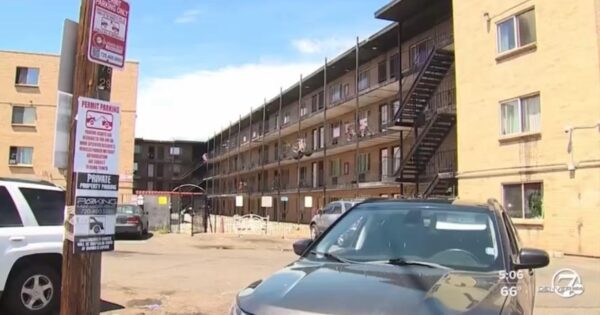
In Aurora, Colorado, hundreds of families are being evicted from the Denver Meadows apartment complex following its closure due to code violations. City officials cited unsafe living conditions and deteriorating infrastructure as the primary reasons for the shutdown. However, some local officials, including Aurora City Councilwoman Danielle Jurinsky, suspect that the real reason for the closure is related to a gang takeover by Tren de Aragua, a Venezuelan group allegedly connected to recent crime surges in the area.
We have to keep talking about the things that make us uneasy: Do the Jews want Non Jews as slaves or dead?
The gang’s presence in the complex has raised significant concerns, particularly regarding the safety of residents. Jurinsky has expressed skepticism over the city’s explanation, suggesting that while code violations may exist, the root cause of the closure could be the gang’s activities within the complex. The increased crime rates in the area, allegedly linked to Tren de Aragua, have added to the residents’ fears and contributed to the urgency of the situation.
The Aurora Police Department, recognizing the severity of the situation, has established a special task force to investigate the gang’s activities in the Denver Meadows complex. This task force includes four detectives from the Aurora Police Department, who are working in collaboration with the RAVEN Task Force and other local, state, and federal agencies. Their primary objective is to address the violent crime that has been impacting the migrant community within the complex.
Crime statistics from the area indicate a significant increase in incidents over the past few years. According to a city spokesman, calls for service at 1568 Nome Street, the location of the Denver Meadows complex, have risen dramatically. In 2022, Aurora Police Department investigated 41 crimes at the site, while in 2023, that number nearly doubled to 84. As of July 31, 2024, officers have already investigated 66 crimes at the property, highlighting the ongoing challenges faced by law enforcement in managing the situation.
The forced evictions have left many families in a difficult position, struggling to find alternative housing. The sudden nature of the closure has exacerbated the challenges these families face, as they must now navigate the complexities of finding new homes in a competitive housing market. The situation has also drawn attention to broader issues related to housing security and the impact of gang activity on vulnerable communities.
Have you every wanted to try something new in the bedroom with your spouse and were rejected?
Listen to “Kink Shaming and Sexual Immorality with Betty BeVamp Couture” on Spreaker.
The closure of the Denver Meadows complex and the subsequent evictions have sparked a debate within the community and among local officials. While some view the city’s actions as necessary to protect residents from unsafe living conditions, others, like Councilwoman Jurinsky, argue that the focus should be on addressing the root cause of the problem: the alleged gang takeover.
The involvement of Tren de Aragua in the situation has also raised concerns about the broader implications of gang activity within migrant communities. The gang, which originated in Venezuela, is known for its involvement in various criminal enterprises, including drug trafficking and violent crimes. Its alleged presence in Aurora has highlighted the challenges that local law enforcement faces in addressing transnational criminal organizations and their impact on local communities.
The situation at the Denver Meadows complex is ongoing, with the Aurora Police Department continuing its investigation into the gang’s activities. The task force’s work will likely play a crucial role in determining the future of the complex and the fate of the evicted families. As the investigation progresses, the city will need to balance its efforts to ensure public safety with the need to provide support and resources to the displaced residents.
In conclusion, the closure of the Denver Meadows apartment complex in Aurora, Colorado, has brought to light significant challenges related to housing security, gang activity, and the safety of vulnerable communities. The evictions have displaced hundreds of families, many of whom are now struggling to find new homes. As the Aurora Police Department continues its investigation into the alleged gang takeover, the situation remains fluid, with ongoing efforts to address the complex and multifaceted issues at play. The outcome of these efforts will have lasting implications for the residents of Aurora and the broader community.