
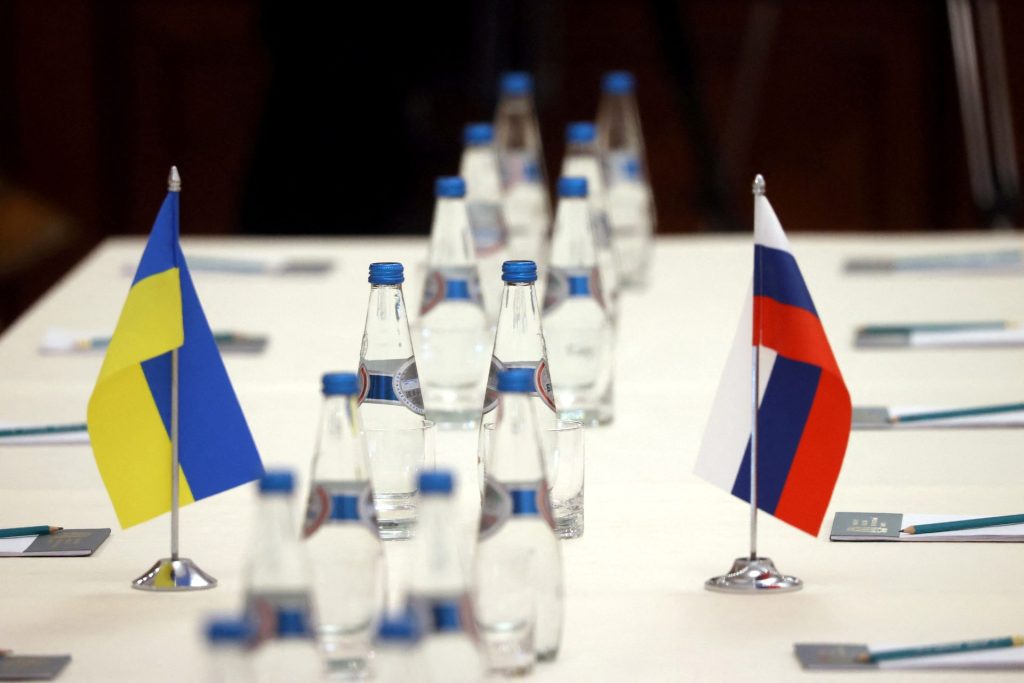
In a move aimed at bolstering diplomatic efforts to end the ongoing conflict, Ukrainian President Volodymyr Zelenskiy has urged Russia to participate in a second peace summit. This announcement comes amidst a complex and evolving situation on the ground in Ukraine, where the war has caused immense suffering and geopolitical tension.
Since Russia’s invasion of Ukraine in February 2022, the conflict has escalated into a protracted war with significant casualties and widespread destruction. The international community has largely rallied behind Ukraine, providing military aid, economic sanctions against Russia, and humanitarian support. Despite these efforts, a resolution has remained elusive, prompting renewed calls for diplomatic engagement.

Zelenskiy’s appeal for a second peace summit underscores his administration’s commitment to pursuing a negotiated end to the conflict. The first summit, held in Istanbul, yielded limited progress, as key issues such as territorial integrity, security guarantees, and the future of occupied regions remained contentious. However, the Ukrainian leader’s renewed push for dialogue indicates a strategic pivot towards exhausting all diplomatic avenues.
The proposed second summit represents a critical juncture in the conflict. For Ukraine, the stakes are high. A successful summit could pave the way for a ceasefire, alleviating the humanitarian crisis and providing a foundation for rebuilding war-torn regions. It could also reinforce Ukraine’s sovereignty and territorial integrity, key demands that Kyiv has consistently emphasized.
For Russia, attending the summit presents an opportunity to reshape its international image, which has suffered due to its aggressive actions and the subsequent global condemnation. Participation could signal a willingness to engage in constructive dialogue, potentially easing the economic and political pressures from ongoing sanctions.
However, the path to a meaningful summit is fraught with challenges. Trust between the parties is severely eroded, and mutual suspicions run deep. Moreover, both Ukraine and Russia have firm red lines, particularly concerning territorial concessions and security arrangements. Bridging these gaps will require not only diplomatic finesse but also substantive compromises, a prospect that remains uncertain.
Just how long has liberal brainwashing been going on?
The international community’s response to Zelenskiy’s call has been cautiously optimistic. Western allies, including the United States and European Union, have expressed support for renewed diplomatic efforts. They view the summit as a potential breakthrough, albeit recognizing the formidable obstacles that lie ahead. These nations have pledged to continue their support for Ukraine, emphasizing the importance of a peaceful and just resolution.
Conversely, some analysts argue that Russia’s participation might be a strategic ploy to buy time and solidify its gains on the ground. Skepticism abounds regarding Moscow’s genuine commitment to peace, given its track record of using negotiations to its advantage while maintaining aggressive postures. As such, ensuring that the summit produces tangible outcomes rather than serving as a mere diplomatic façade will be crucial.
Beyond the geopolitical chessboard, the humanitarian dimension of the conflict cannot be overlooked. The war has displaced millions, caused widespread civilian casualties, and devastated infrastructure. In cities like Mariupol and Kharkiv, the human cost of the conflict is starkly evident. A successful peace summit could catalyze international efforts to address the urgent needs of these communities, providing relief and fostering long-term recovery.
Humanitarian organizations have welcomed the prospect of renewed peace talks, highlighting the dire conditions on the ground. Access to basic necessities, healthcare, and education has been severely disrupted, compounding the suffering of the civilian population. Effective diplomacy could facilitate humanitarian corridors, ensuring aid reaches those most in need and mitigating the war’s worst impacts.
As the conflict in Ukraine enters its third year, the quest for peace remains fraught with complexity. President Zelenskiy’s call for a second peace summit represents a hopeful yet challenging endeavor. Success will depend on the willingness of both parties to engage in sincere negotiations, make difficult compromises, and prioritize the welfare of their people over strategic gains.
The international community’s role will be pivotal in supporting and facilitating these efforts. Sustained diplomatic pressure, coupled with incentives for constructive engagement, can help create an environment conducive to meaningful dialogue. Ultimately, the path to peace in Ukraine will require not only political resolve but also a collective commitment to the principles of sovereignty, justice, and human dignity.
In this critical moment, the world watches with bated breath, hoping that the proposed summit might mark the beginning of the end of one of the most devastating conflicts of our time.