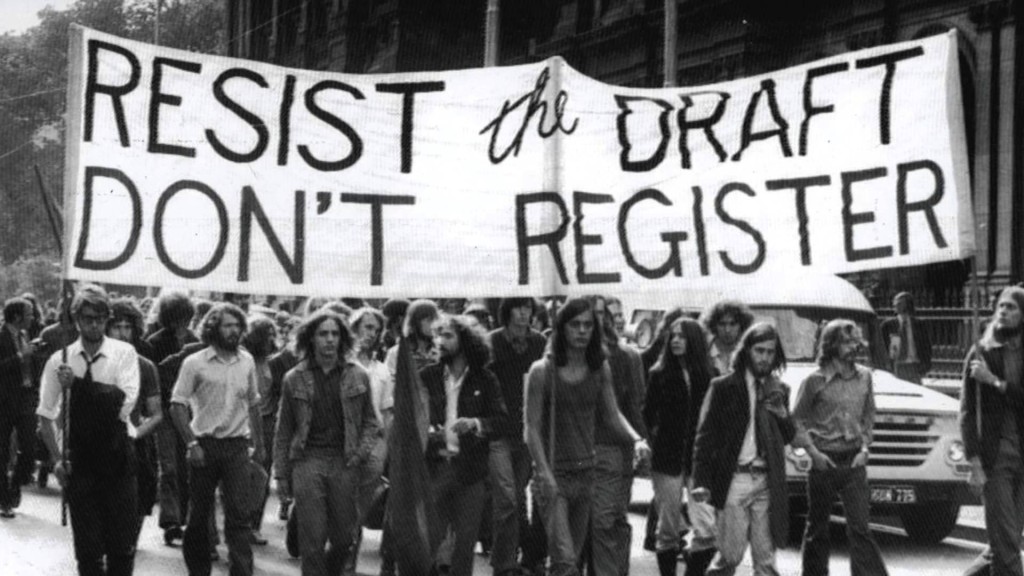
The automatic registration provision for men aged 18-26 is designed to address inefficiencies in the current selective service system. Traditionally, men within this age group are required to manually register, a process that often results in non-compliance due to oversight or lack of awareness. The automatic registration aims to ensure that all eligible men are enrolled, thereby reducing the number of legal issues and the associated costs that arise from non-compliance. Rep. Chrissy Houlahan (D-Pa.), who championed this measure, emphasized the importance of maintaining a robust and ready defense system, which includes having a comprehensive and up-to-date pool of potential draftees.
The NDAA is a far-reaching defense bill that goes beyond the selective service registration. It encompasses a wide array of defense-related expenditures and policies, reflecting the ongoing priorities and challenges faced by the U.S. military. Among the key components of the bill are significant pay raises for military personnel, aimed at improving the livelihoods of those who serve and ensuring that the military can attract and retain skilled individuals. The bill also allocates substantial funding for the development and procurement of new submarines and drone forces, signaling a strategic emphasis on modernizing the U.S. military’s capabilities in these areas.
Listen to “Bullies with Badges: Why Tough Guy Cops Ruin Law Enforcement” on Spreaker.
The NDAA’s $895.2 billion budget underscores the scale of investment being directed towards national defense. This budget includes not only the aforementioned pay raises and equipment funding but also various other initiatives aimed at enhancing the overall effectiveness and readiness of the U.S. military. These investments are seen as crucial for maintaining the country’s defense posture in a rapidly evolving global security environment.
Despite its passage in the House, the NDAA faces significant hurdles in the Senate. The opposition is primarily driven by a series of controversial amendments related to social issues that were included in the bill. These amendments have sparked debate and division among lawmakers, with some arguing that they are necessary for addressing important societal concerns, while others believe they detract from the primary focus of the defense bill. The specific nature of these amendments and the points of contention they raise have not been detailed, but their presence in the bill has been sufficient to generate considerable resistance.
As the NDAA moves to the Senate, the debate is expected to intensify. Lawmakers will need to navigate the complex landscape of defense priorities and social issues to reach a consensus that can secure sufficient support. The outcome of this legislative process will have significant implications for the future of U.S. defense policy and the operational readiness of the military. The automatic registration provision for selective service, while a notable aspect of the bill, is just one of many components that will be scrutinized and debated in the coming weeks.
The House’s passage of the NDAA, with its provision for automatic selective service registration, marks a significant development in U.S. defense policy. This measure aims to enhance the efficiency and compliance of the selective service system, ensuring that the country maintains a ready pool of potential draftees. However, the broader bill faces challenges in the Senate due to its inclusion of contentious social issue amendments. As the legislative process unfolds, the balance between defense priorities and societal concerns will be at the forefront of the discussions, shaping the final form of the NDAA and its impact on the U.S. military.